 English
 Aluminum Alloy Die-casting engine block for automotive applications
Cat:Die-casting gearbox housing
The aluminum alloy die-cast engine block for automotive applications is manufactured from ADC12 alum...
See Details

Industry News
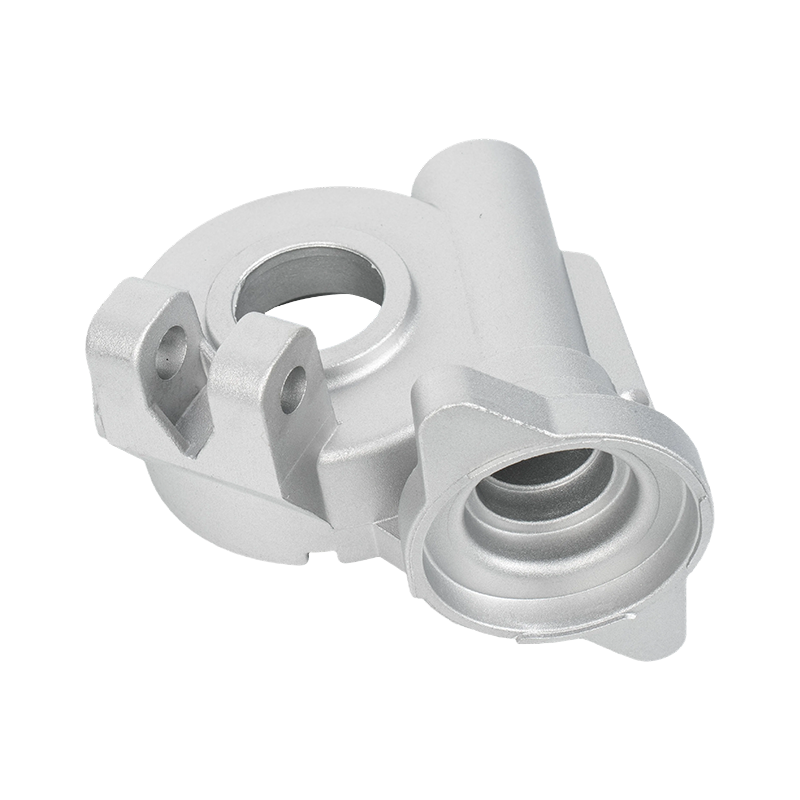
The aluminum alloy die-cast engine block for automotive applications is manufactured from ADC12 alum...
See Details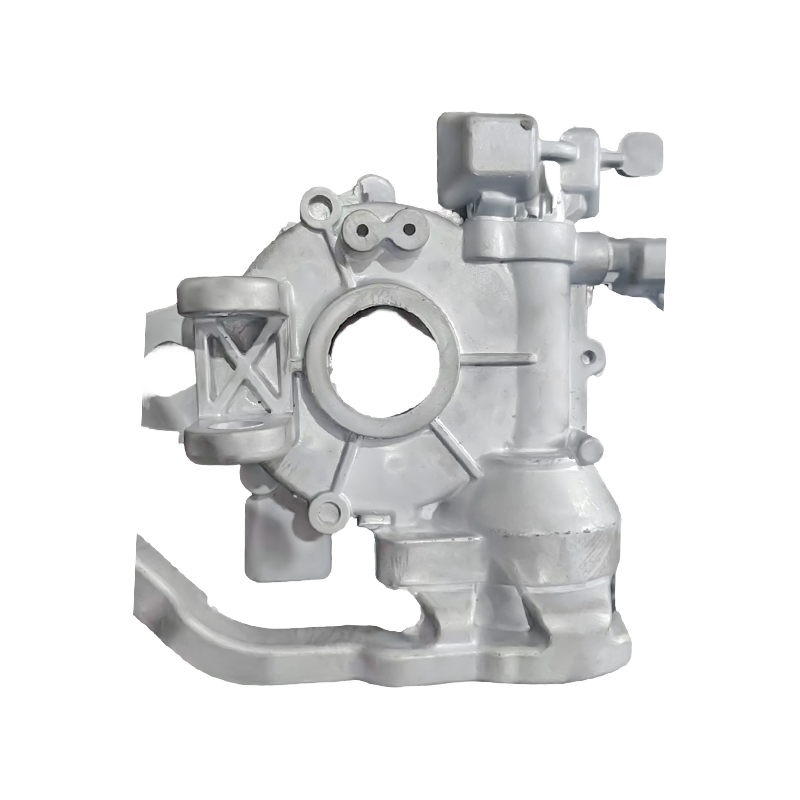
The high-pressure die-cast automotive engine block is made of ADC12 aluminum alloy, providing a ligh...
See Details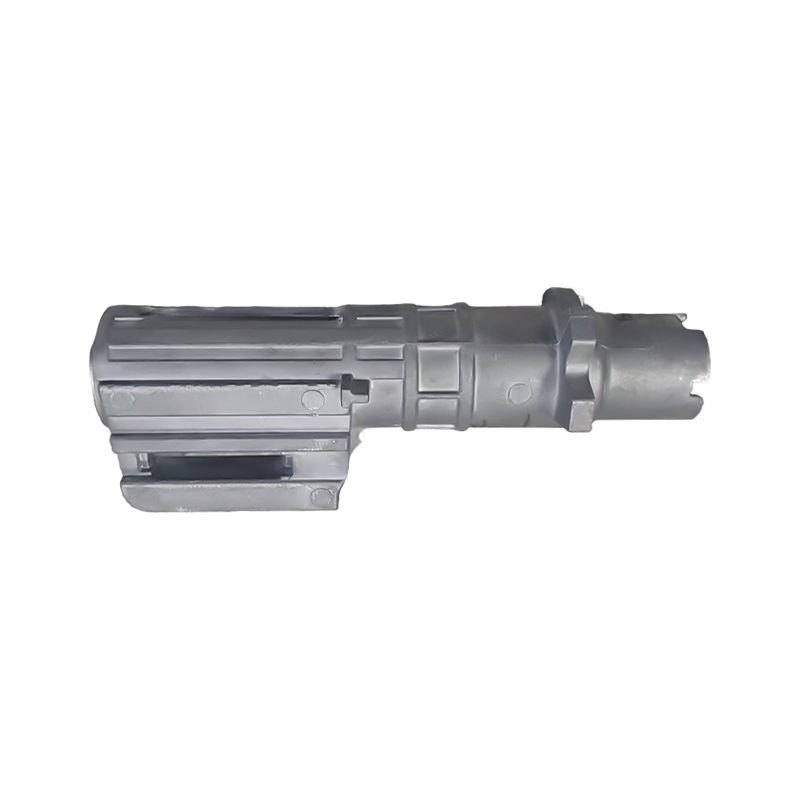
The die-cast upper column, constructed from heat-resistant ADC12 aluminum alloy, is designed for app...
See Details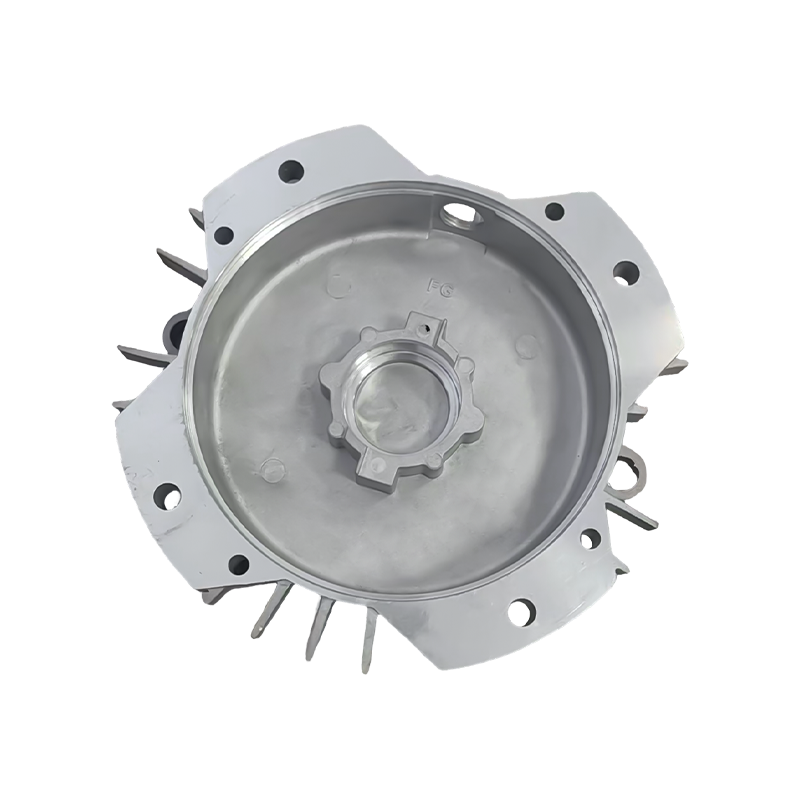
The aluminum alloy die casting motor housing is made from ADC12 aluminum alloy, offering a lightweig...
See Details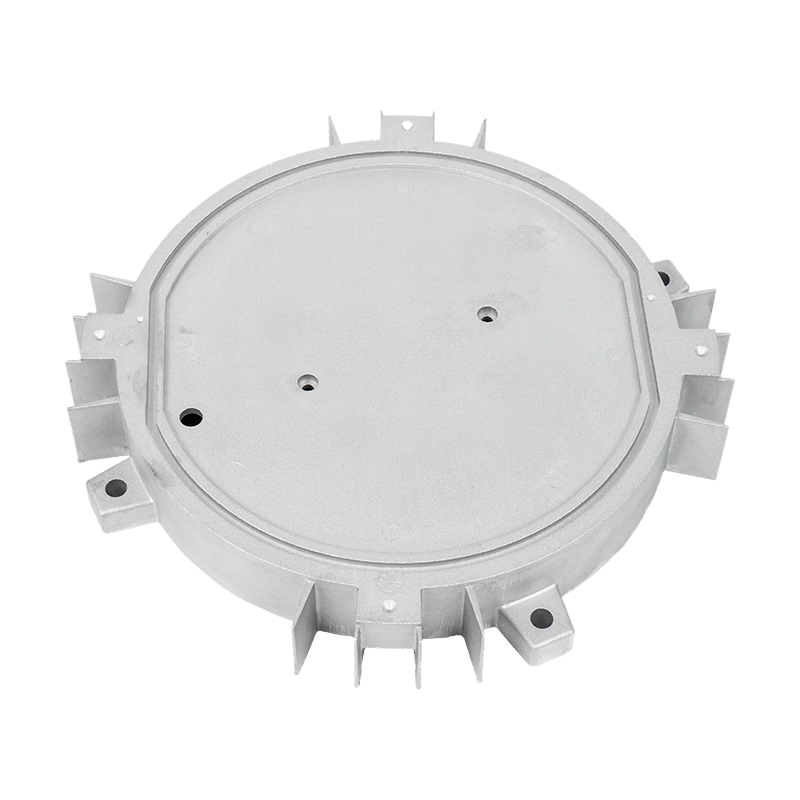
High-strength ADC12 die-casting motor housing is designed for large electric motors that demand maxi...
See Details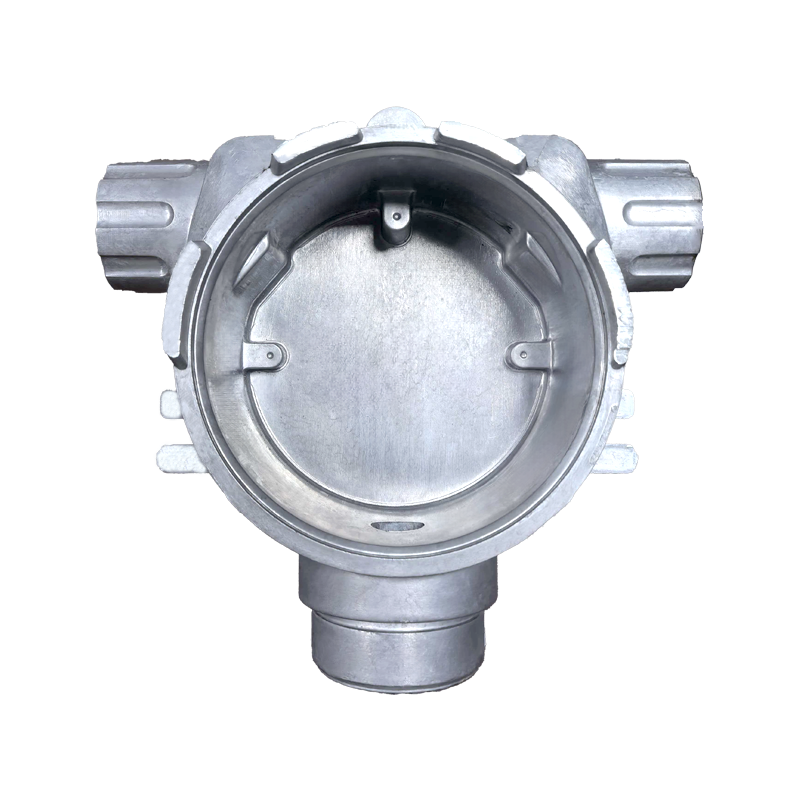
The Die-casting Alarm Housing for Fire Protection is a high-strength, die-cast enclosure specificall...
See Details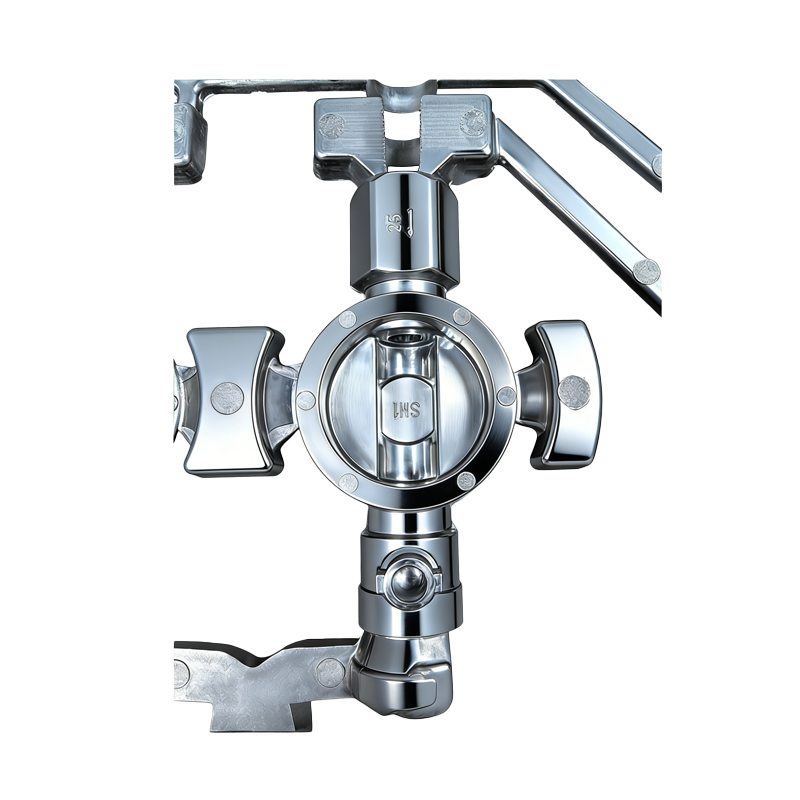
The Die-casting Fire Valve Housing for Fire Fighting is a high-strength, die-cast valve body enclosu...
See Details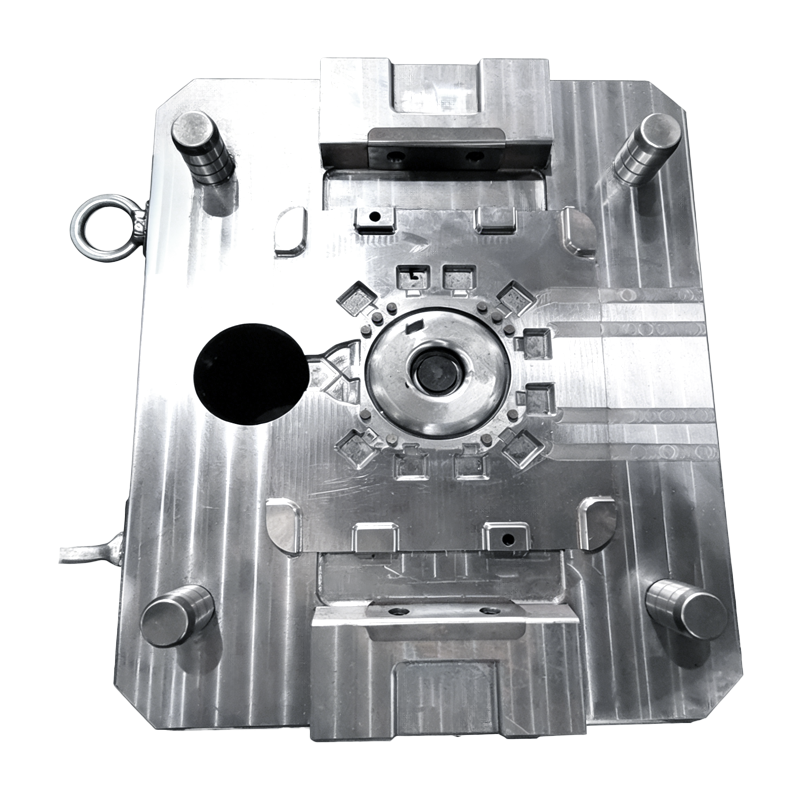
The die-casting mold for the left-middle housing of automotive brake systems is manufactured using h...
See Details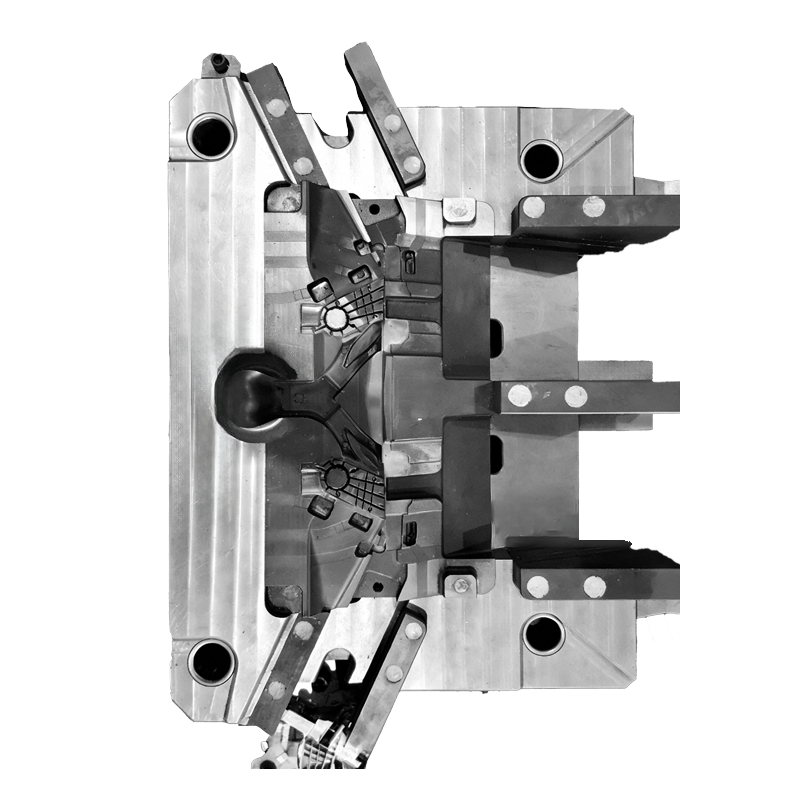
The die casting mold for left and right automotive side mirror brackets are specifically designed fo...
See Details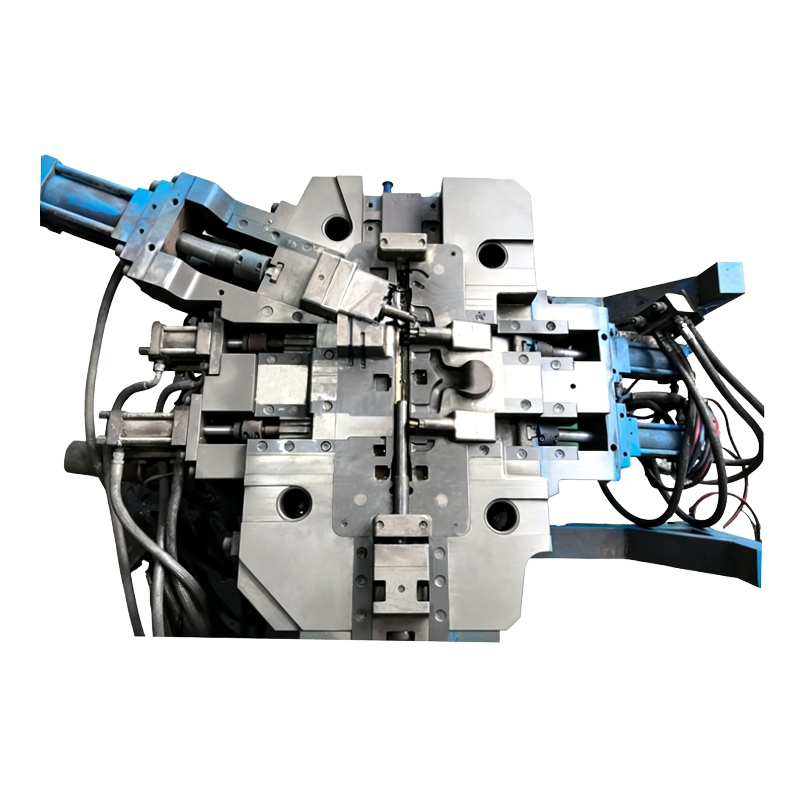
The Automotive Steering Gear Die Casting Mold is specifically designed for steering gear components ...
See Details